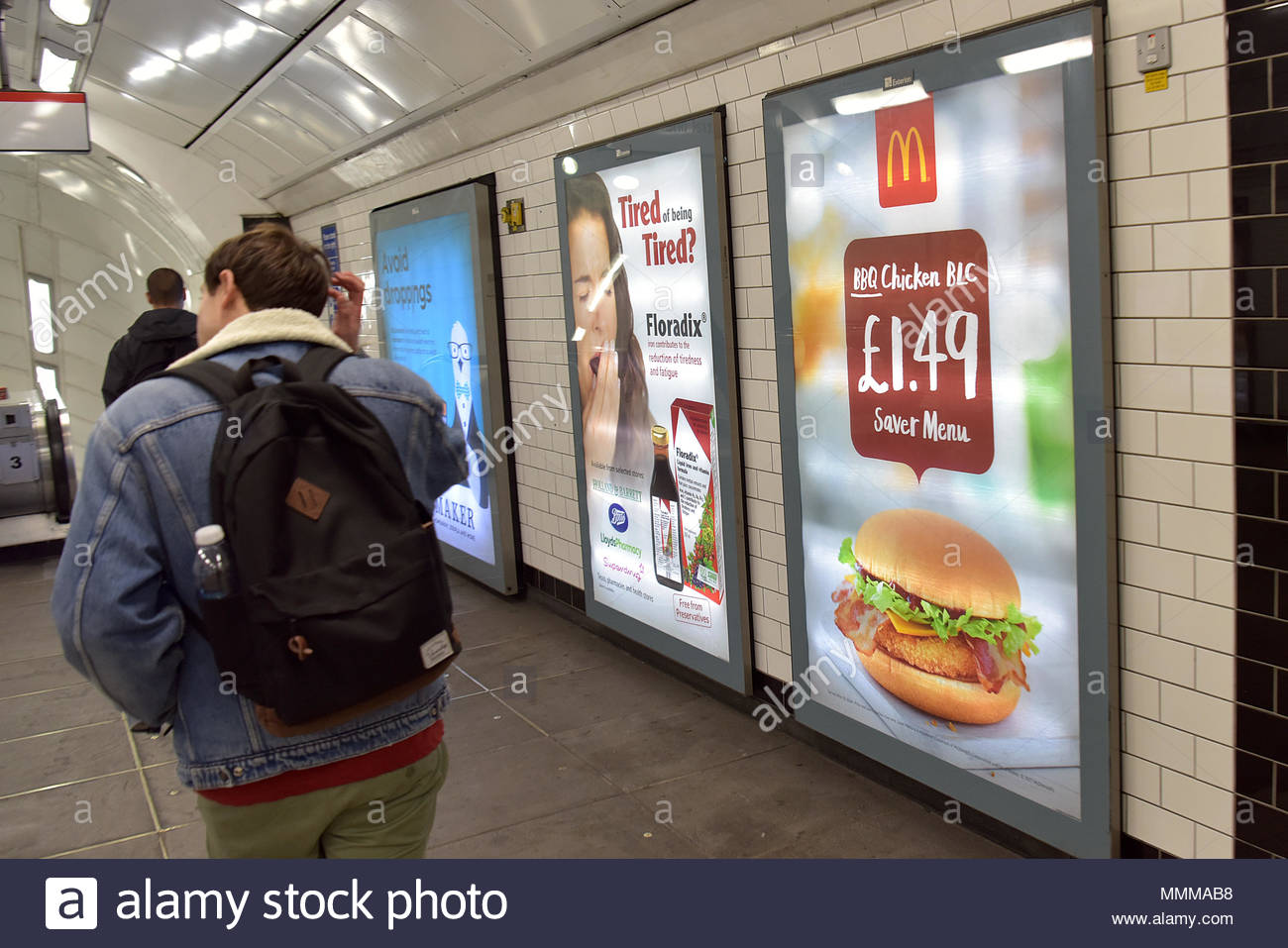
El otro día en mi ciudad estaba en una de las calles comerciales mas grandes me di cuenta de todos los anuncios y que todos eran de “restaurantes” de comida rápida anunciando hamburguesas a 1 euro o cosas por el estilo.
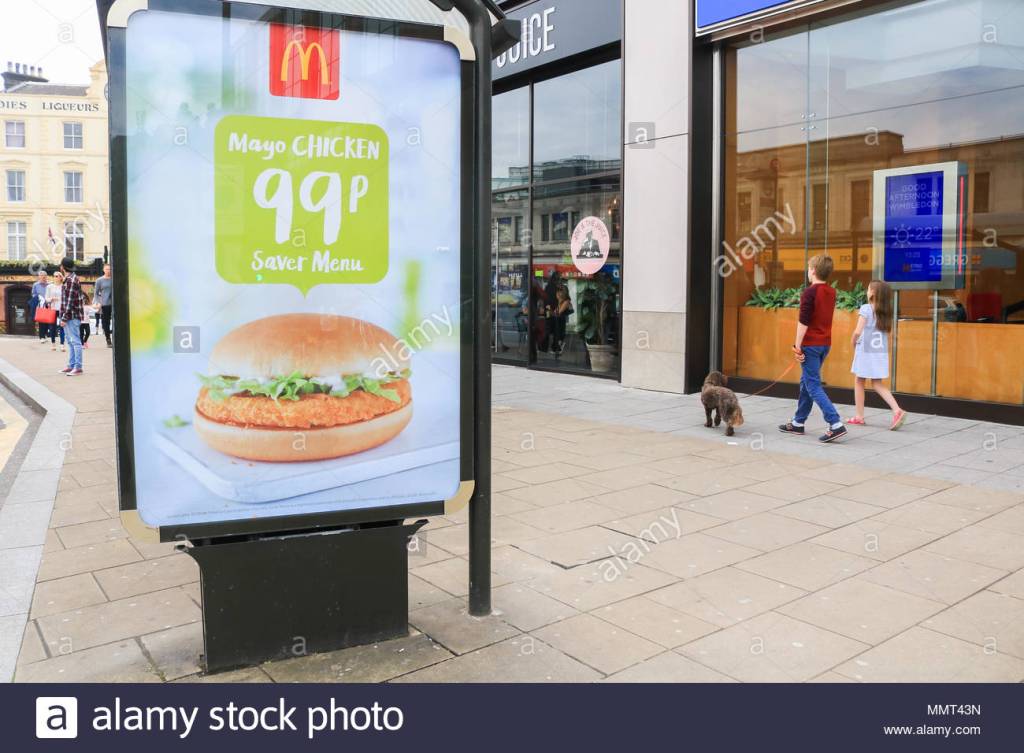
Me puse a pensar que cómo las ciudades y sus elementos que la integran se infiltran poco a poco en nuestros hábitos y moldeando nuestra rutina, interaccionando con nuestro día a día y alterando y dando forma a nuestras mismas decisiones.
¿Cuándo hemos dejado de darle valor a nuestra comida? ¿En qué momento ha pasado a ser algo más del día a día sin importancia? ¿Por qué hemos dejado de preguntarnos de dónde viene ese alimento o cómo ha llegado hasta nuestras manos?
Lo que antes suponía un lugar y algo importante del día se ha convertido en un mero trámite. Cuanto menos gastes y menos tiempo inviertas en comer, mejor. Y si no sales de tu lugar de trabajo y puedes comer delante del ordenador y solo, ya ni te cuento. Nos venden este tipo de productos como algo moderno, innovador, que nos ahorra tiempo, porque es maravilloso poder seguir trabajando mientras comes, teniendo los ojos en la pantalla, sin disfrutar de lo que te llevas a la boca y sin por supuesto, preguntarte nada de nada sobre su origen, modo de producción, o la historia y qué manos lleva consigo.
Solo hay que dar una vuelta por los supermercados. Los alimentos más baratos y que tienen carteles grandes, tipo ganga, como mis queridas marquesinas, son alimentos procesados y nada saludables.
Todo esto lo relacionamos a una de las criticas mas fuertes hacia el capitalismo. Este tipo de publicidad incitan al consumo de productor muy baratos que nos ahorran tiempo para poder ir antes al trabajo o poder comer en cualquier sitio. Es así que el capitalismo busca vender el máximo posible sin tener escrúpulos a nada. Estas empresas se dedican a hacer una publicidad muy llamativa para obtener le máximo beneficio sin tener en cuenta la calidad del producto.
Fast and Cheap Food: Voracious Capitalism in the Awnings
The other day in my town I was on one of the biggest shopping streets and I noticed all the ads and they were all for fast food «restaurants» advertising hamburgers at 1 euro or so.
I began to think about how cities and the elements that make them up gradually infiltrate our habits and shape our routine, interacting with our daily lives and altering and shaping our very decisions.
When have we stopped giving value to our food? At what point has it become more of an everyday thing? Why have we stopped asking ourselves where this food comes from or how it got into our hands?
What used to be a place and something important of the day has become a mere formality. The less you spend and the less time you spend on food, the better. And if you don’t leave your workplace and you can eat in front of the computer and alone, I won’t even tell you. They sell us this type of product as something modern, innovative, that saves us time, because it’s wonderful to be able to continue working while you eat, having your eyes on the screen, without enjoying what you put in your mouth and without of course, asking you anything about its origin, production method, or the history and what hands it carries with it.
You just have to walk around the supermarkets. The cheapest foods that have big, bargain-style signs, like my beloved marquees, are processed foods and not at all healthy.
All this is related to one of the strongest criticisms of capitalism. This type of advertising incites the consumption of very cheap producers that save us time to be able to go to work earlier or to be able to eat anywhere. This is how capitalism seeks to sell as much as possible without having scruples about anything. These companies are dedicated to making a very striking advertising to get the maximum benefit without taking into account the quality of the product.
 TODO CAPITALISMO